CRONUS · GUILIN MINING MACHINERY GROUP

Clean sand. Stable gradation. More value.

Engineered sand washing machines and fine sand recovery systems for quarries, manufactured sand plants and mineral processing operations.

50+years of manufacturing
20–300typical t/h range*
ISO · CEquality systems
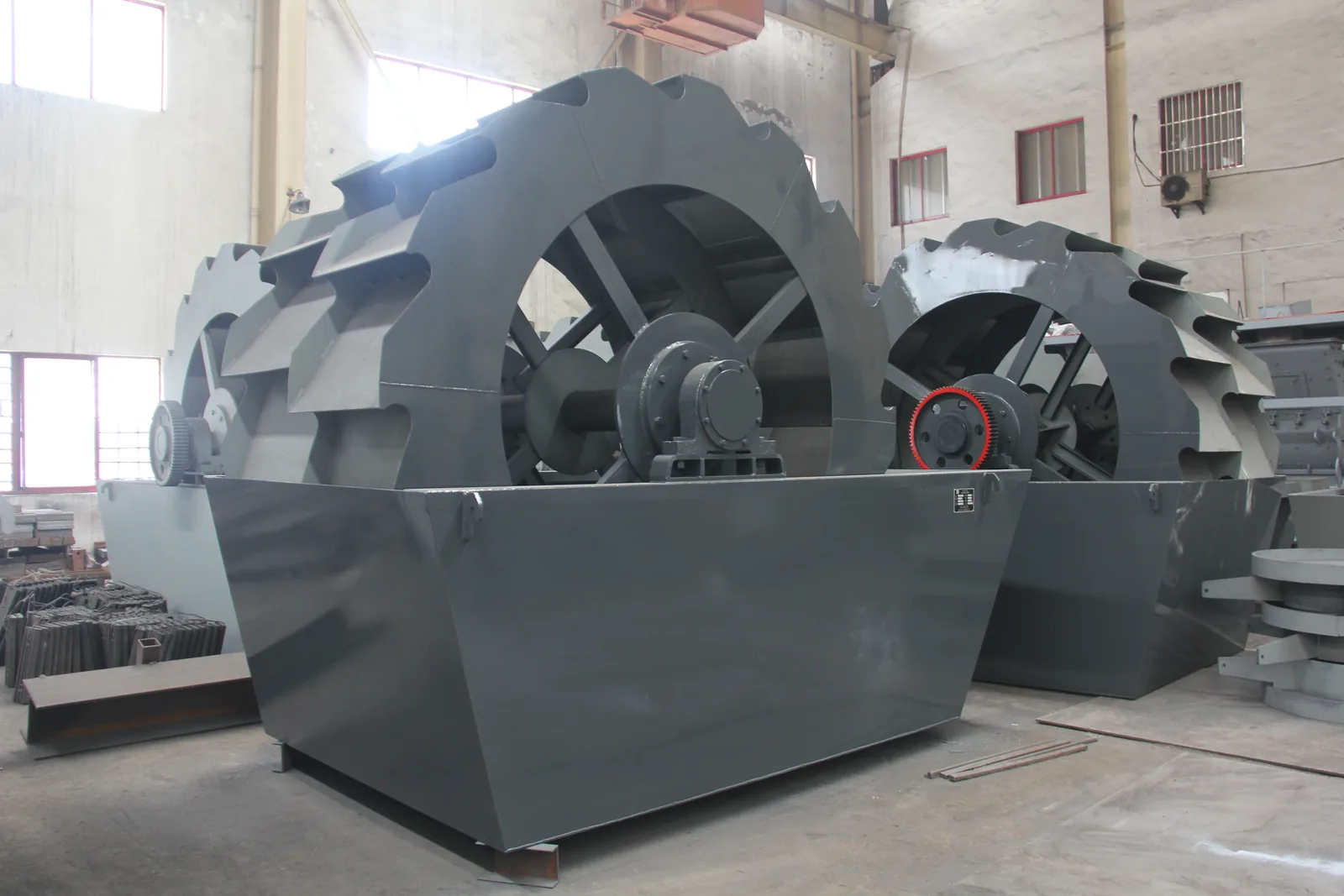
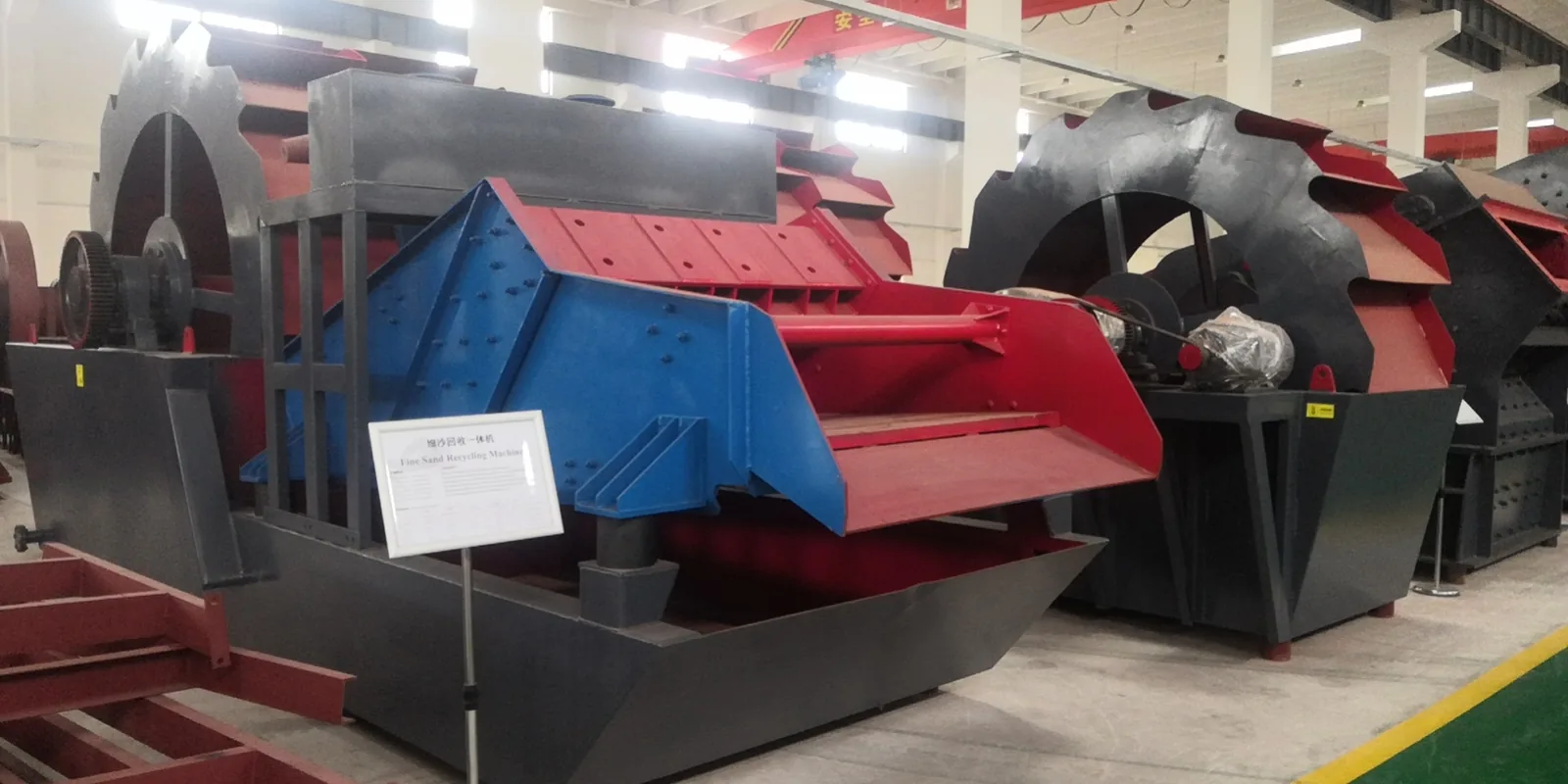
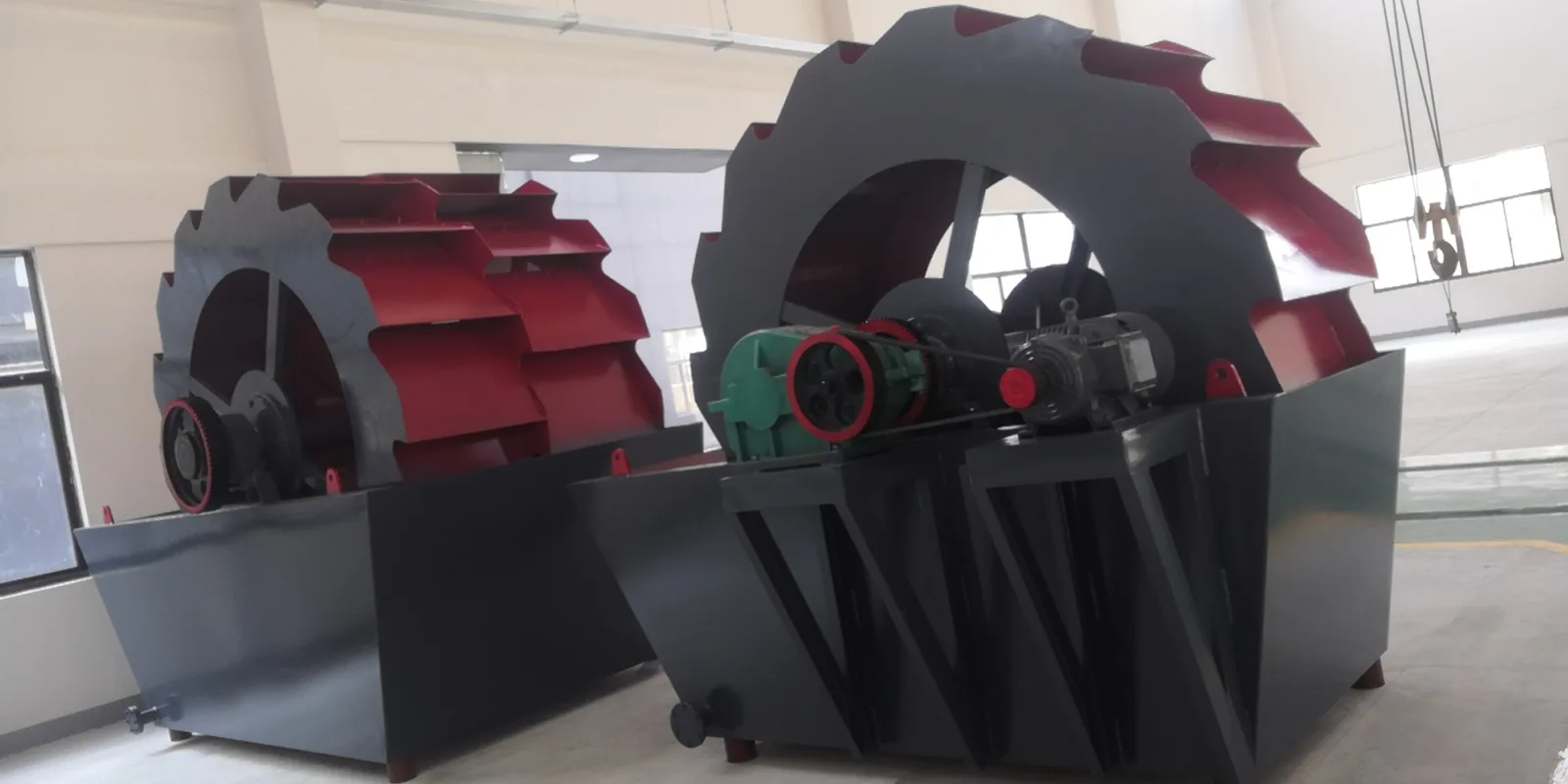
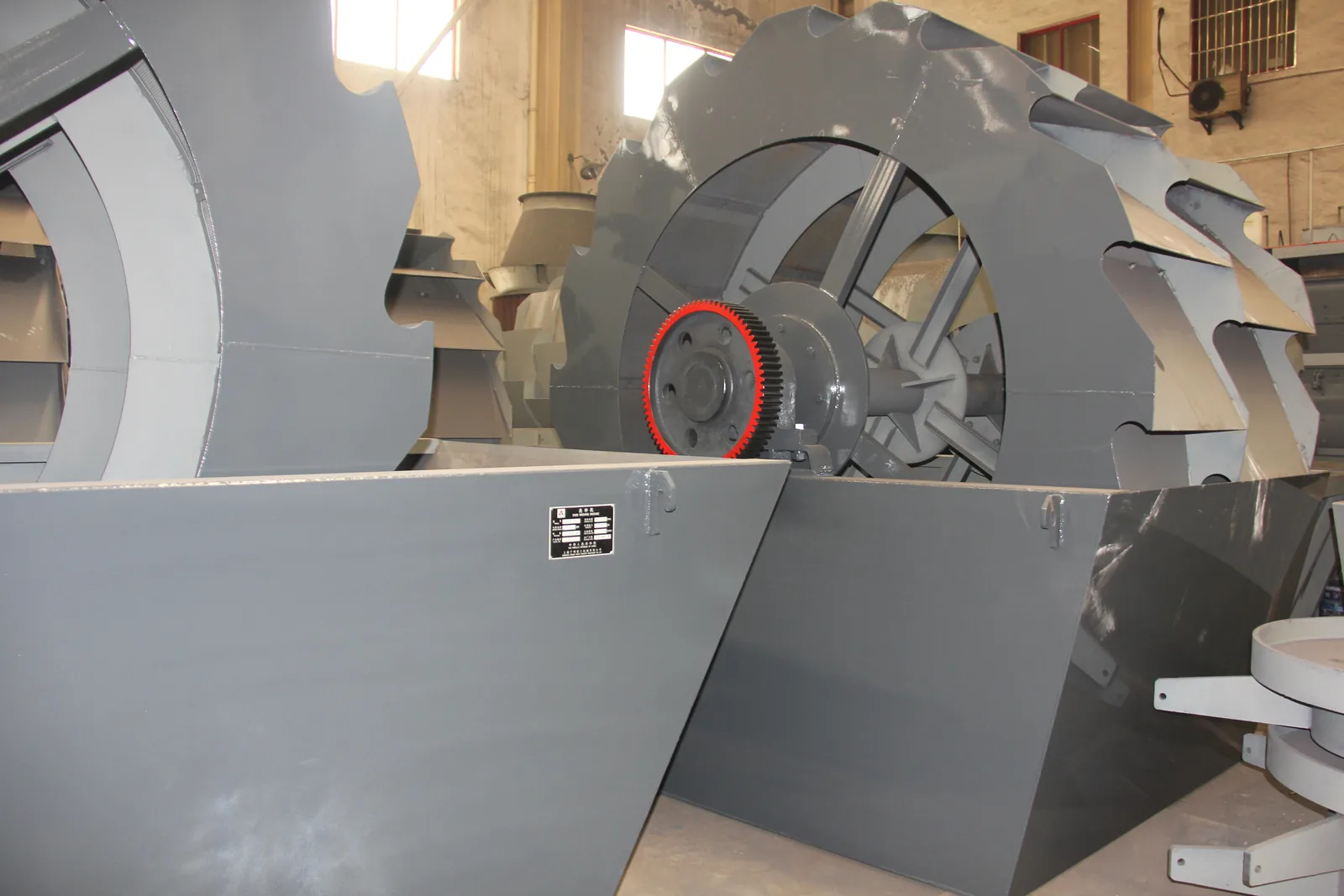
Cronus wheel sand washing machine in the factory
WHEEL SAND WASHER 01 / 04
ABOUT CRONUS

Built on mineral-processing know-how since 1973.

Cronus is the international equipment brand and subsidiary of Guilin Mining Machinery. From our manufacturing base in China, we combine more than five decades of fabrication experience with practical process engineering for aggregates and mineral processing.

Our sand washing range is developed around the realities of a working plant: changing feed moisture, abrasive solids, limited water and the need for a clean, consistent product. We support the full journey from process study and layout to commissioning and parts.

Meet the group →
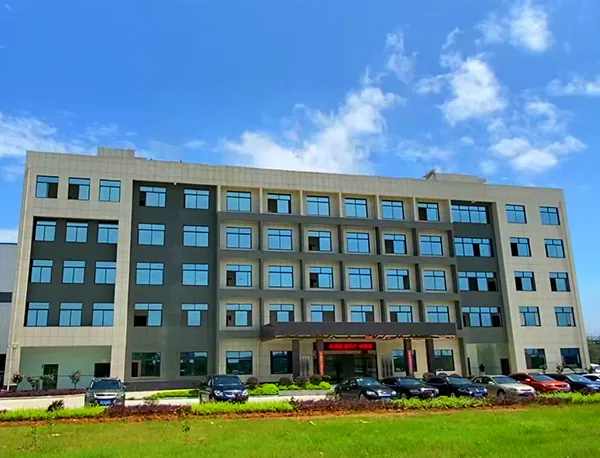
Cronus office building in Shanghai
Shanghai sales and engineering office
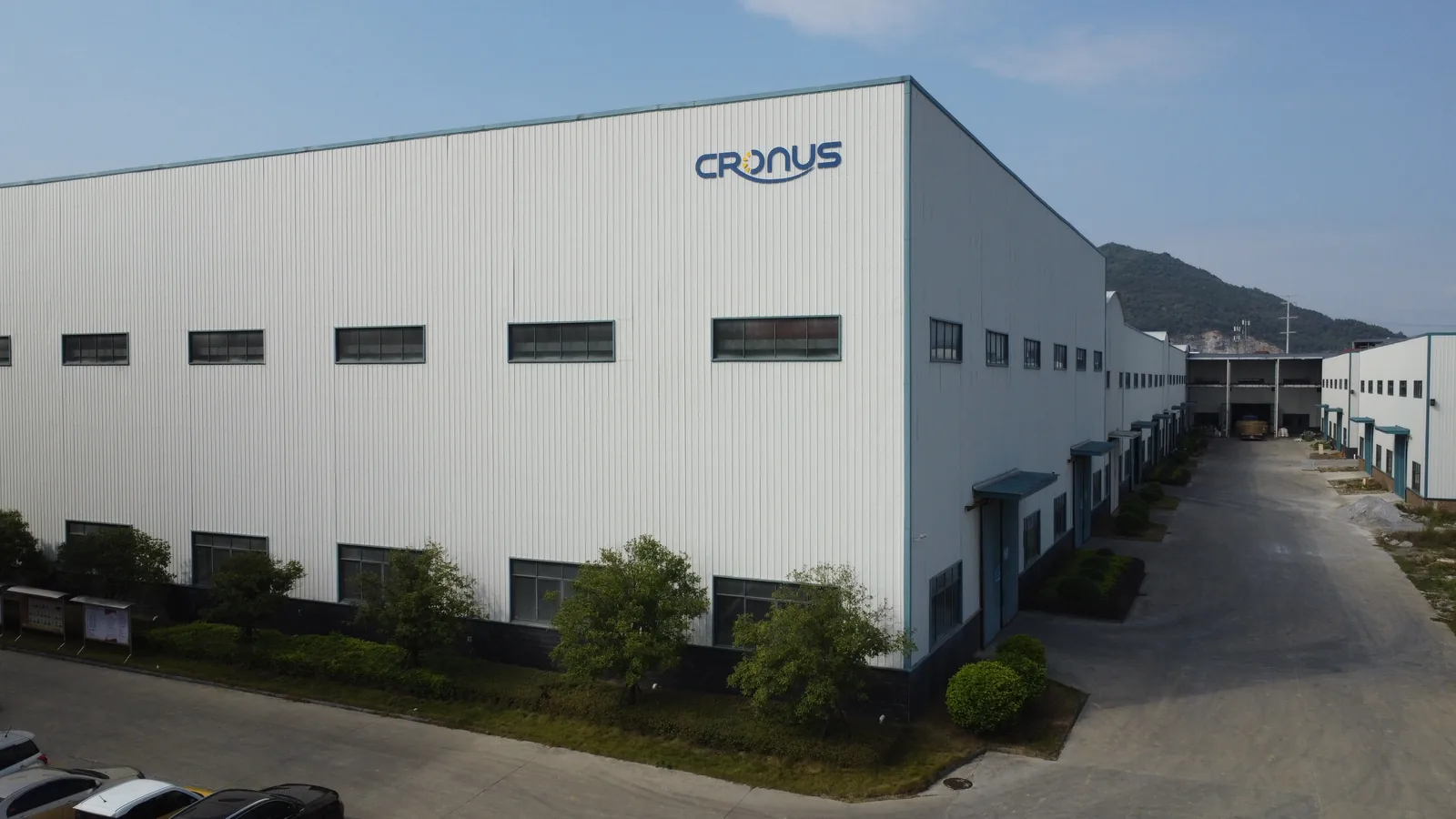
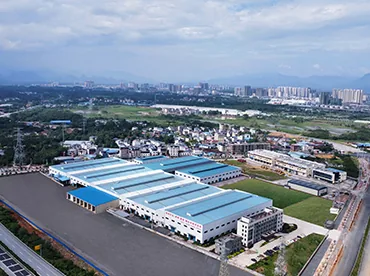
Cronus factory and equipment yard
Fabrication and assembly
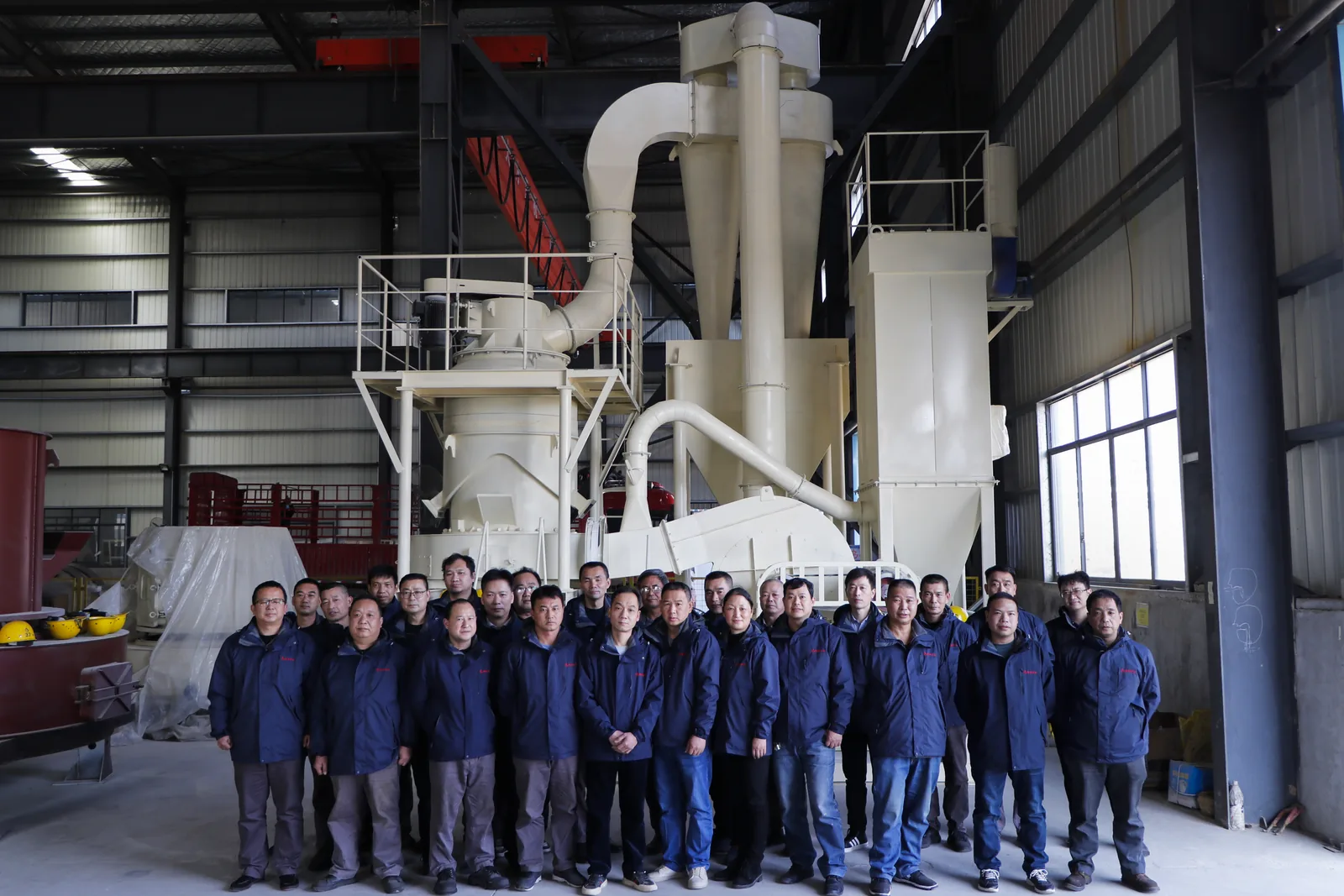
Cronus service team supporting customers
Field service and commissioning
1973Group founded
30+Countries served
R&DPatents & process know-how
24/7After-sales response
THE EQUIPMENT RANGE

One washing brief. Three practical configurations.

Choose the duty that matches your feed, water circuit and product target. Cronus can combine units into a complete sand washing plant.

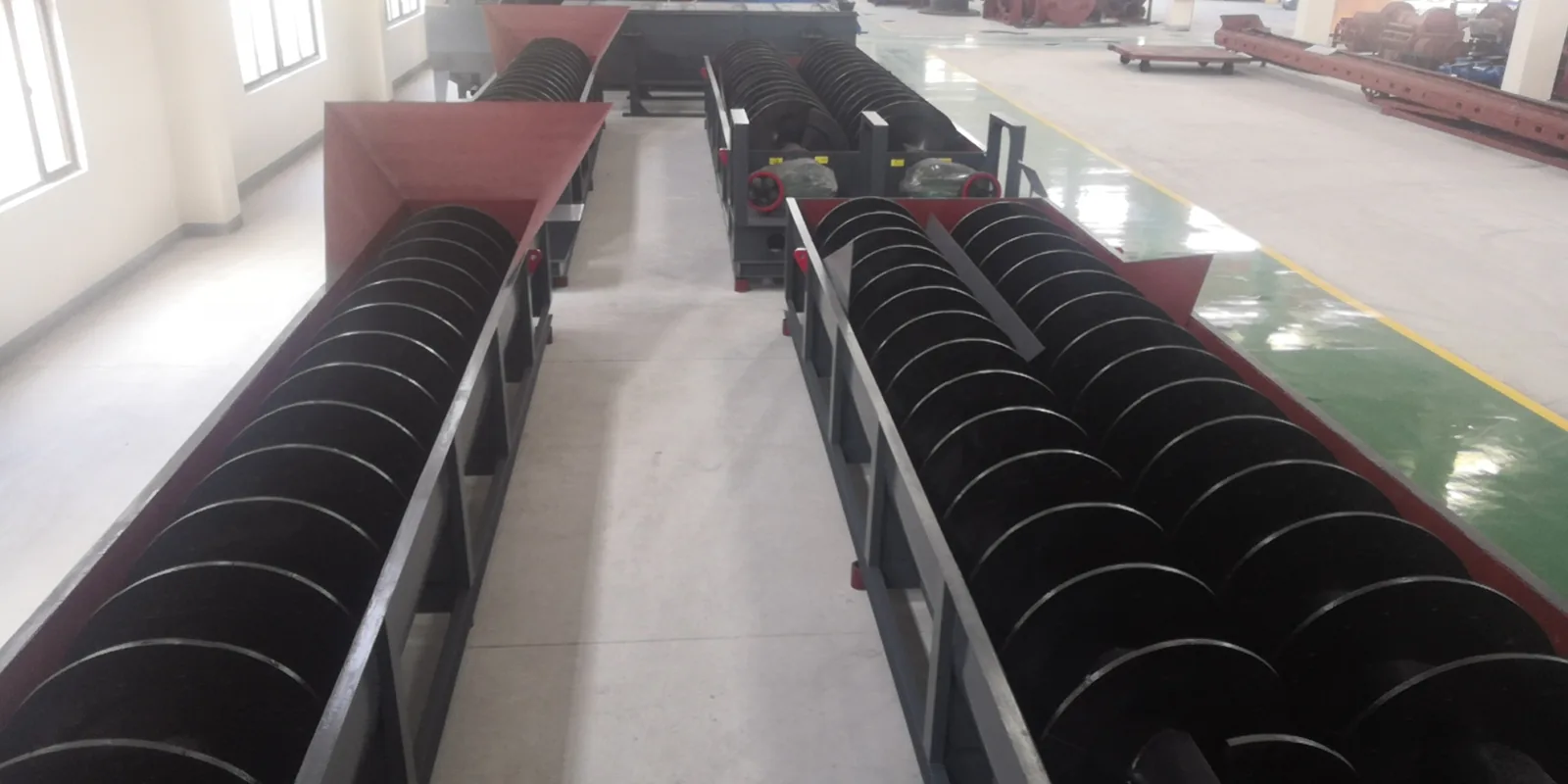
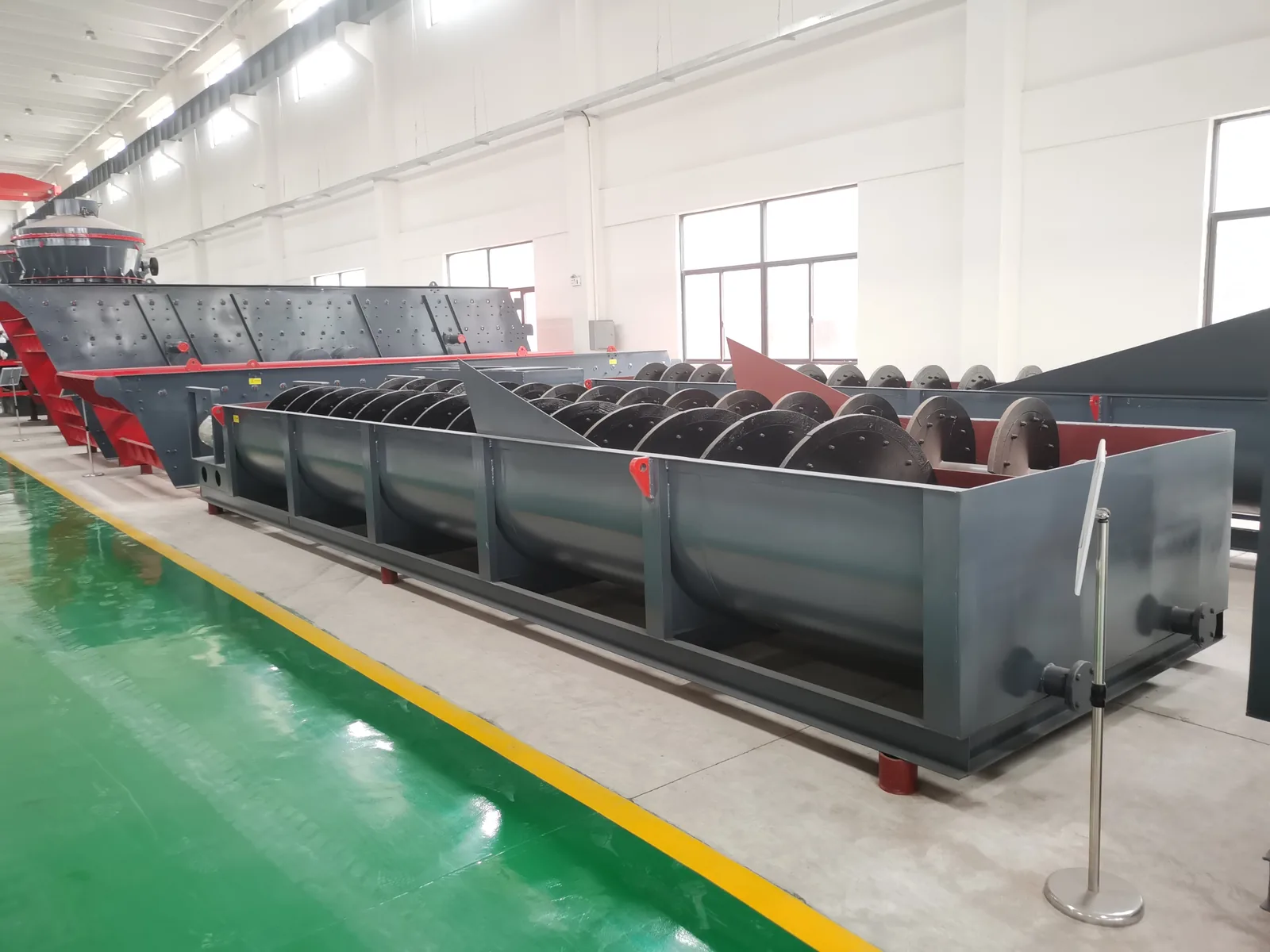
Spiral sand washer for intensive scrubbingHigh attrition
02 · SPIRAL SAND WASHER

Spiral Sand Washer

Longer retention and continuous agitation for sticky clay, dirty feed and projects that need a robust washing stage.

  • Heavy-duty trough and spiral flights
  • Stable separation over long residence time
  • Simple mechanical drive
Plan your process →
Fine sand recovery hydrocyclone and dewatering screenRecover fines
03 · FINE SAND RECOVERY

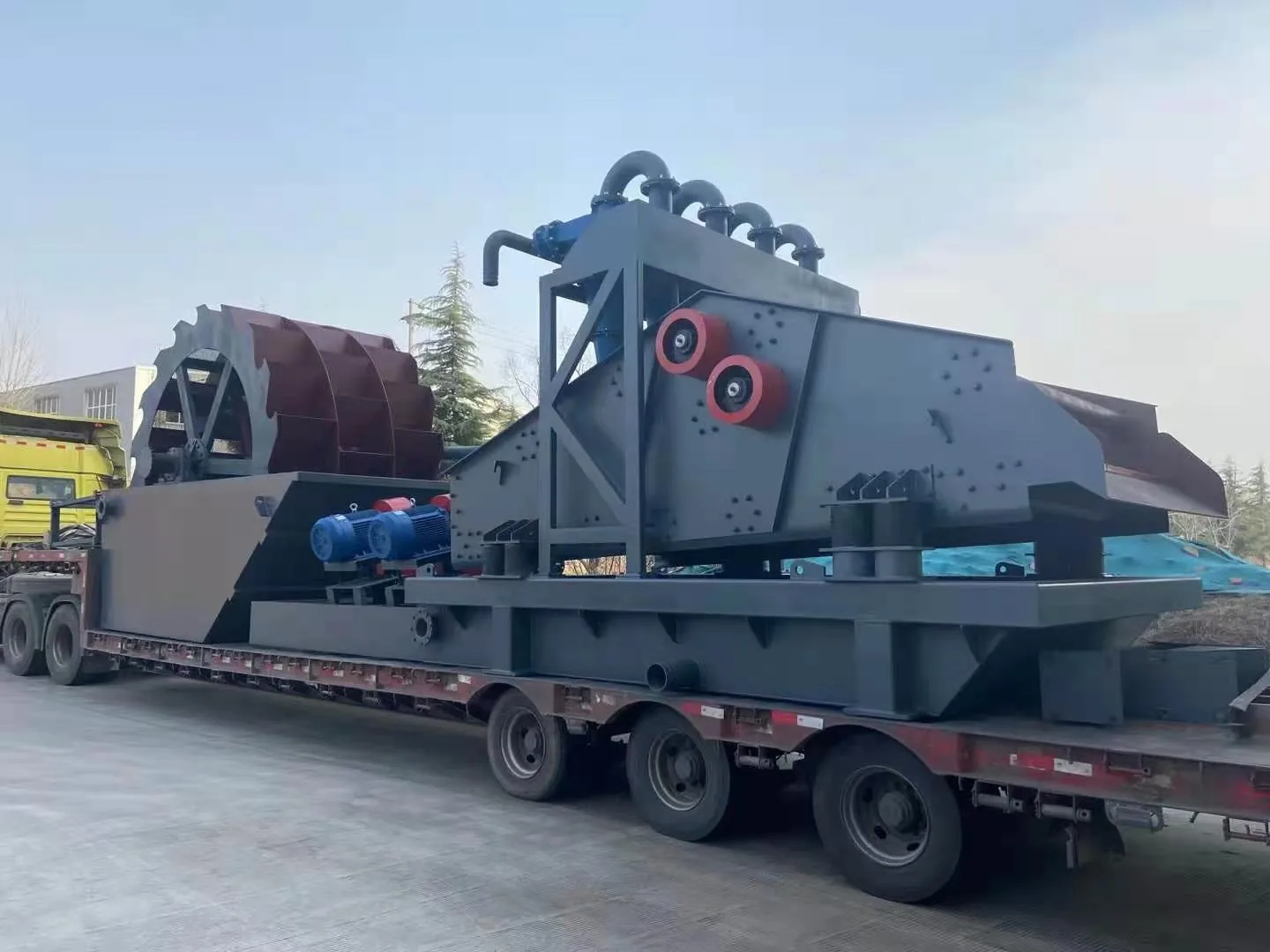
Fine Sand Recovery Unit

Hydrocyclone classification plus dewatering screen to capture useful fines from slurry overflow and improve product yield.

  • More saleable sand, less pond loss
  • Cleaner moisture profile at discharge
  • Modular skid-mounted layout
Recover more fines →
HOW IT WORKS

From dirty feed to controlled product.

Washing, classification and dewatering work as one process. The final arrangement is selected from your actual feed—not a generic brochure number.

01

Feed & scrub

Water and feed enter the tank or trough. Paddles, wheel buckets or spiral flights break down clay coatings and release clean sand.

02

Classify & overflow

Light silt and slimes move with the overflow while usable sand settles and advances toward discharge.

03

Recover & dewater

A hydrocyclone and dewatering screen return fine particles to the product stream and lower free moisture.

FEED HOPPER
→
WASHER
→
HYDROCYCLONE
→
DEWATERING SCREEN
Clarified water / recycle loop
WHY CRONUS

Designed for uptime, not just a datasheet.

Our engineers bring grinding, crushing and mineral-processing experience into the wash circuit. That means fewer hand-offs between suppliers and a layout that considers maintenance from day one.

Ask for a plant layout
01

Wear-aware construction

Replaceable liners, protected bearings and practical access points help keep routine service predictable.

02

Water-conscious process

Overflow, fines recovery and recycle options are planned together to control water use and product loss.

03

OEM parts from our foundry

Original buckets, flights, liners, screens and wet-end parts matched to the supplied machine.

04

One accountable partner

Process design, fabrication, installation guidance, training and after-sales support under one roof.

APPLICATIONS & MATERIALS

Where clean, controlled sand makes the difference.

Use the equipment as a standalone washer or as part of a crushing, screening and water-recycle circuit.

Fine sand recovery line for manufactured sand

Manufactured sand

Remove dust and clay, recover fines and stabilize concrete-grade sand.

Aggregate washing equipment in yard

Quarry aggregates

Wash granite, basalt, limestone and gravel for asphalt and concrete.

Spiral washer processing mineral feed

Mineral processing

Scrub and deslime selected ores before classification or concentration.

Cronus processing equipment in operation

Recycled materials

Clean recycled aggregate and reduce lightweight contaminants before reuse.

FACTORY TOURSee how Cronus equipment is fabricated and finished.
EQUIPMENT IN MOTIONVisual reference for assembly, drive and wash components.
TYPICAL PERFORMANCE RANGE

Start with the numbers. Finish with a tested configuration.

Values below are planning ranges. Final selection depends on feed gradation, clay load, water quality and the required product specification.

Send feed details →
ParameterWheel washerSpiral washerFine recovery
Typical capacity20–200 t/h30–300 t/h10–120 t/h
Feed / slurry dutySand & gravelClay-bearing feedFine slurry
Drive arrangementGearbox / chainGearbox / motorPump + screen
Product moistureApprox. 12–18%*Approx. 15–22%*Approx. 12–18%*
Best useCompact cleaningIntensive scrubbingFines recovery
*Indicative planning values; confirm with Cronus test and project data.
CHOOSING THE RIGHT SOLUTION

Why use a dedicated washer before or after grinding?

A sand washer is not a replacement for a grinding mill. It solves a different problem: removing unwanted fines and clay, controlling moisture and recovering product before the next stage.

NeedDedicated washing circuitRaymond / ultrafine mill
Primary jobClean, classify and dewater sandReduce dry feed to a target fineness
Water-based feedDesigned for slurry and wet solidsNormally requires dry, controlled feed
Clay and siltSeparates and removes contaminantsCan increase wear and destabilize grinding
Product recoveryRecovers fines with hydrocycloneDoes not replace a fines-recovery circuit
OEM PARTS & SERVICE

Keep the wash circuit ready for the next shift.

Cronus supplies original wear parts and matched replacements through its own manufacturing network, including casting capability for critical components. We help you plan a practical stock list around abrasion, duty cycle and local lead time.

Wheel buckets & paddlesSpiral flights & linersScreen panels & tension partsBearings, seals & couplingsHydrocyclone linersPump wet-end parts
Close-up of Cronus washer drive and wear components
PROOF OF QUALITY

Engineering credibility you can verify.

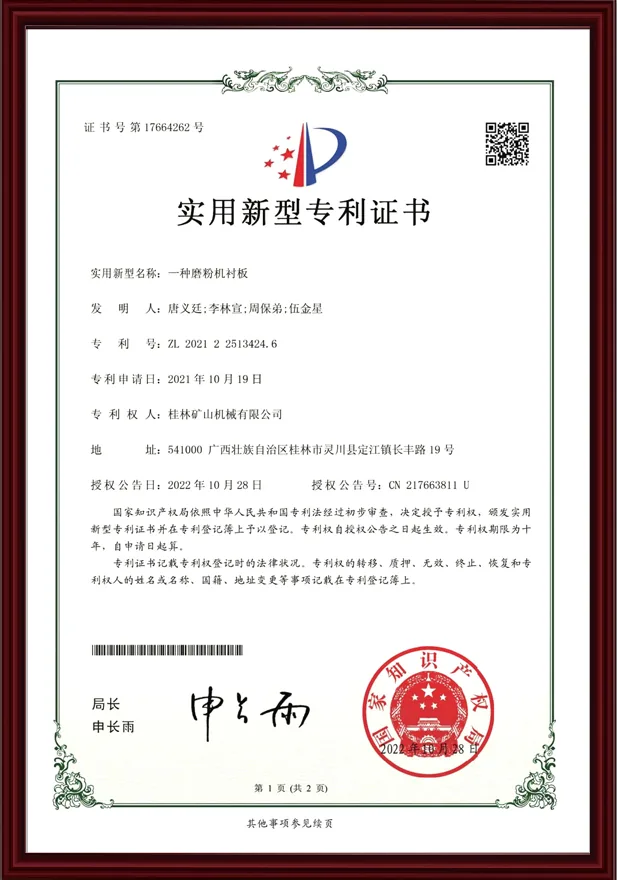
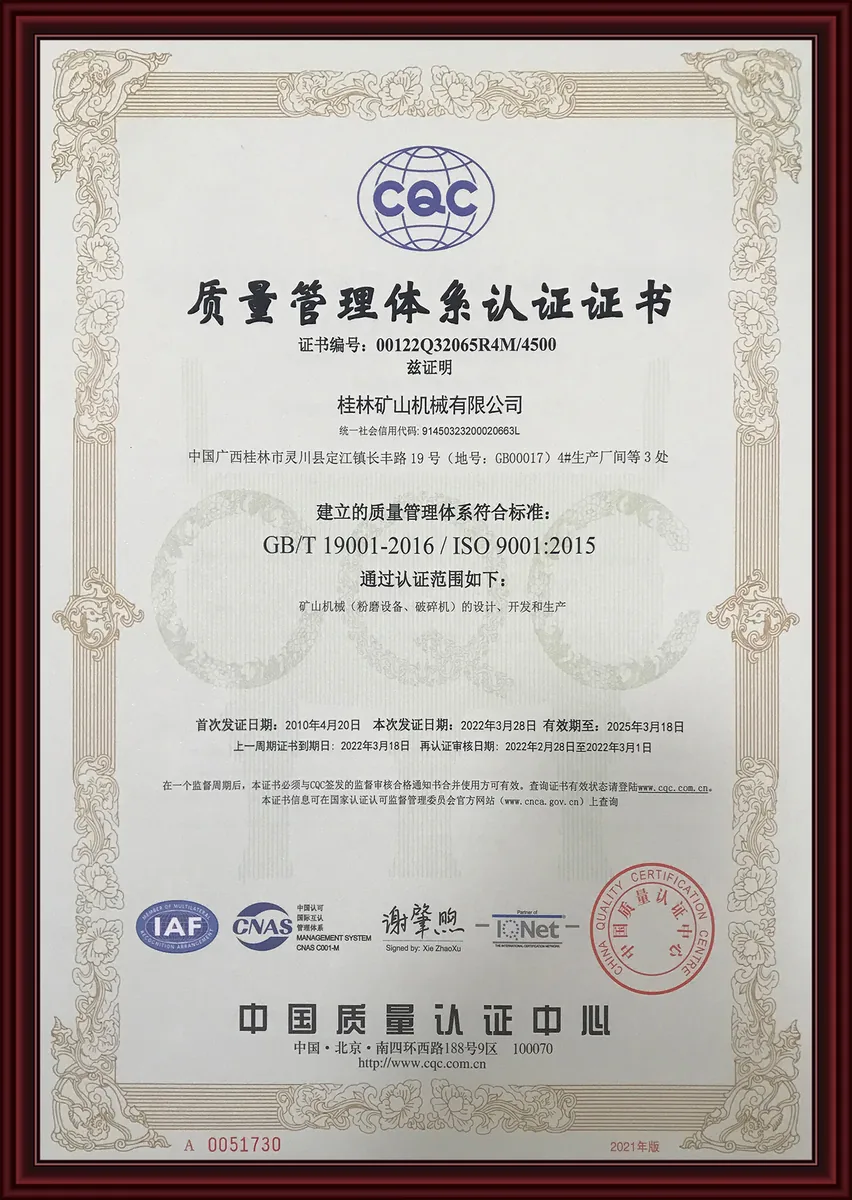
Our group history is backed by documented quality systems, patents and manufacturing credentials. Certificates shown here are representative records from the supplied company archive.

Company credentials →
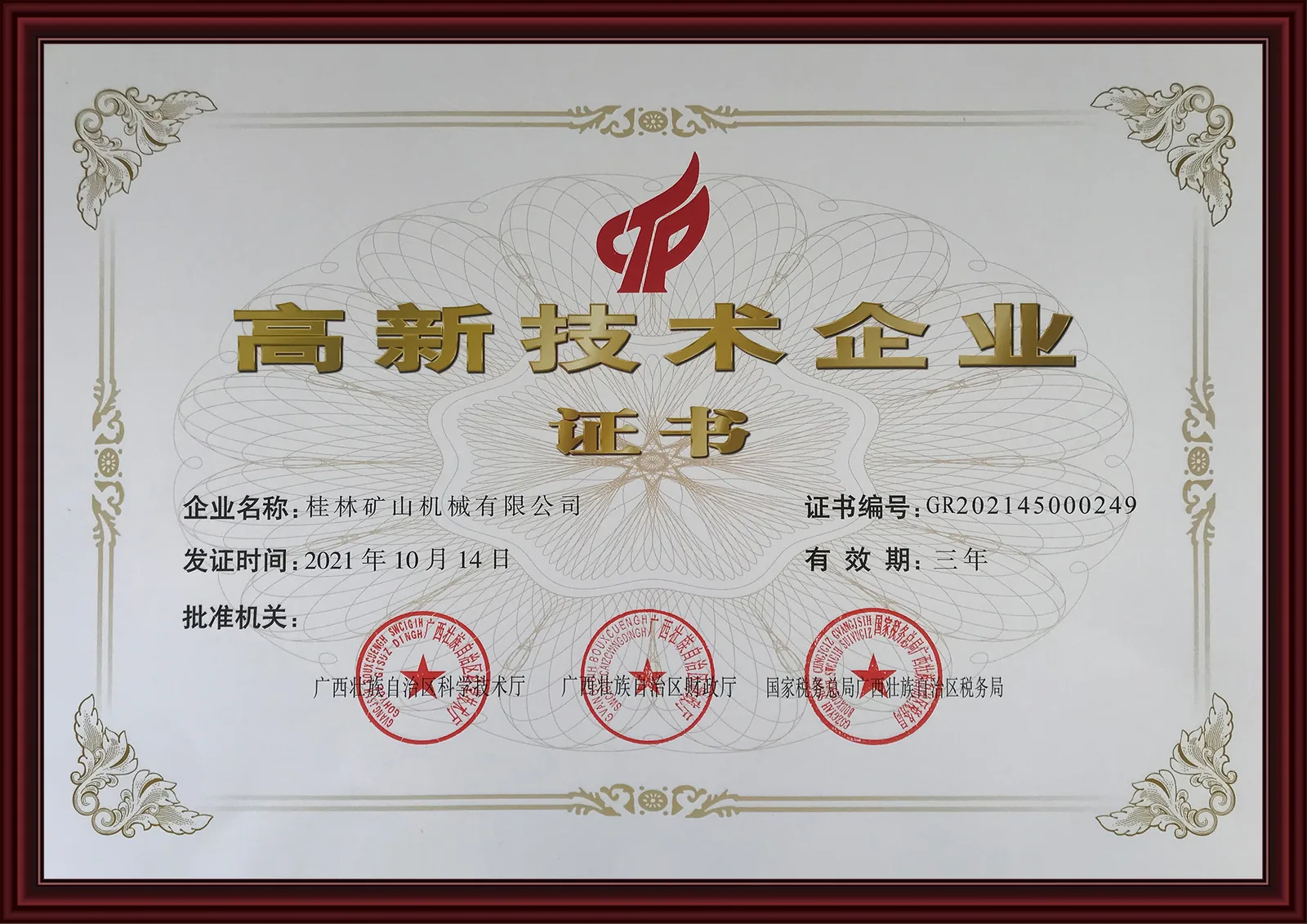
High-tech enterprise certificate
High-tech enterprise
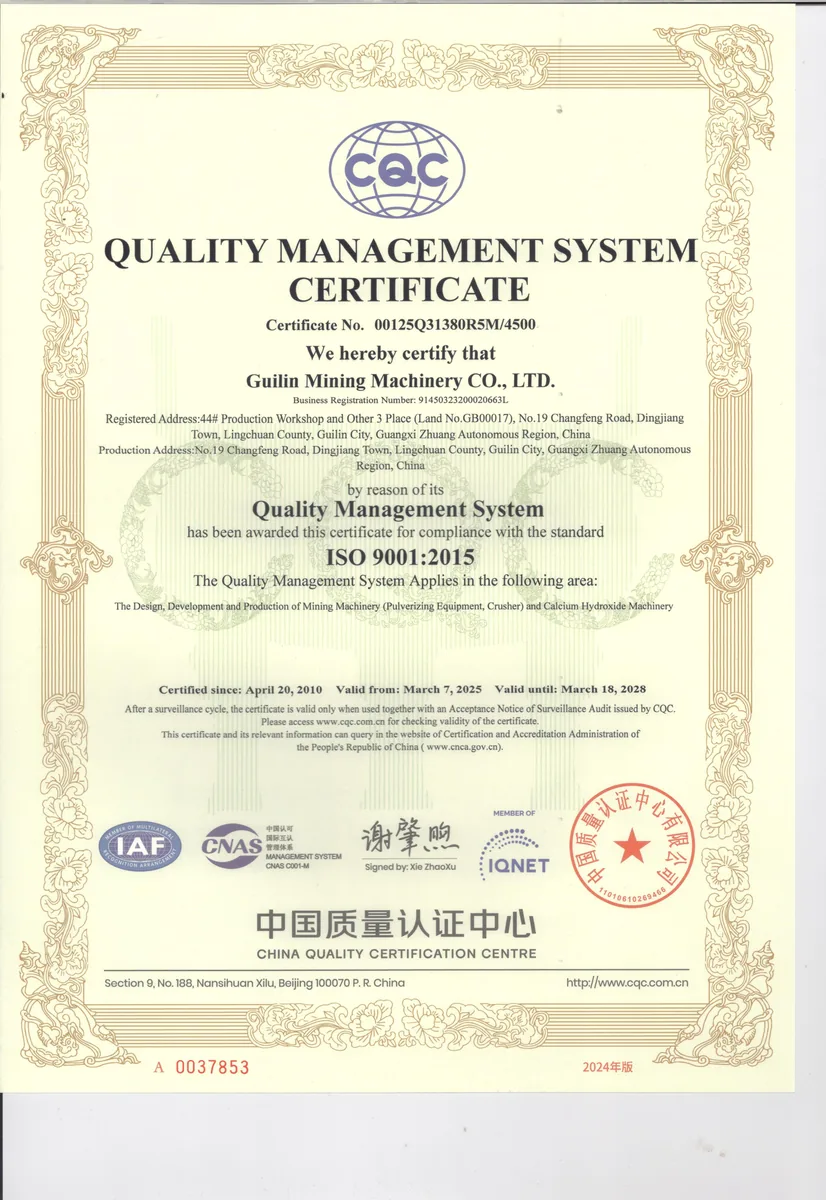
ISO quality management certificate in English
ISO quality system
Cronus group utility model patent certificate
Patented know-how
Product quality certification document
Quality certification
FAQ

Questions plant teams ask before buying.

Share your material and target product and we will turn these general guidelines into a project-specific recommendation.

Talk to an engineer
What is a sand washing machine used for?

It removes clay, silt, dust and lightweight contaminants from manufactured or natural sand, then classifies and dewaters the product for concrete, asphalt and construction applications.

What is the difference between a wheel and spiral sand washer?

A wheel washer combines scrubbing and lifting with a compact layout. A spiral washer provides longer residence time and stronger attrition for dirtier or higher-clay feeds.

Can the fine sand recovery unit reduce material loss?

Yes. Hydrocyclone classification and dewatering return useful fines from slurry overflow to the product stream, reducing pond loss and improving yield.

How do I select the right capacity?

Capacity is selected from feed gradation, clay load, target product, water quality, hourly throughput and available footprint—not from capacity alone.

What materials can be washed?

Typical materials include manufactured sand, river sand, granite, basalt, limestone, quartz, recycled aggregate and selected mineral ores.

Does Cronus provide a complete washing plant?

Yes. A project can include feed hopper, screen, washer, hydrocyclone, dewatering screen, water-recycle tank, pumps, conveyors and electrical controls.

How much water does a washer need?

Water demand depends on clay content and product specification. Closed-loop settling or thickening can reduce make-up water.

What are the common wear parts?

Common parts include wheel buckets, paddles, spiral flights, liners, screen panels, bearings, seals, couplings, hydrocyclone liners and pump wet-end parts.

Does Cronus offer installation support?

Cronus provides process design, foundation and layout guidance, commissioning support, operator training and spare-parts recommendations.

Can the equipment be customized?

Yes. Feed opening, tank length, screen aperture, pump and hydrocyclone configuration can be matched to your site and product.

How can I request a quotation?

Send material, moisture, clay content, target capacity, product size and site information through the form or WhatsApp for a project-specific configuration.

Is the sand washer suitable for mineral processing?

It can be used as a scrubbing, desliming, classification or fines-recovery stage when designed for the ore characteristics and water circuit.

LET'S TALK PROCESS

Tell us what you need to wash.

Send a few project details. Our team will reply with a suggested configuration, key questions and a practical next step.

Phone / WhatsApp+86 199 2122 1418Emailsales@shcronus.com
Shanghai officeHunan Highway 8666, Pudong, Shanghai

By submitting, you agree that Cronus may contact you about this enquiry. No payment is taken on this page.

◔WhatsApp